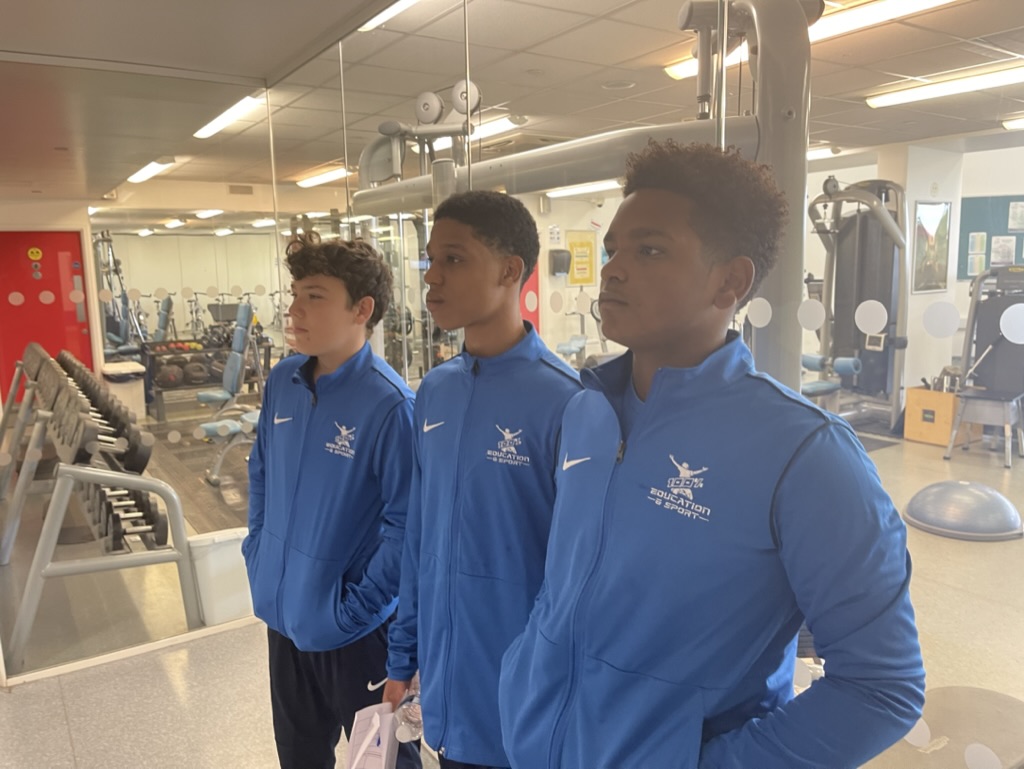
Routines and expectations
Meet and greet, predictable lessons, transitions and endings. Expectations are simple, taught and reinforced.
Evolution Education
Behaviour curriculum
We teach routines, expectations and self-regulation with calm consistency, strong relationships, graduated support and restorative practice.
Young people do best when they feel safe, respected and clear about expectations. Staff build trusting relationships, teach skills for managing feelings, and respond fairly when things go wrong.
Behaviour is everyone’s responsibility. We combine high expectations with high support, use restorative practice where it is appropriate, and keep parents and commissioning schools as partners.
Recognition
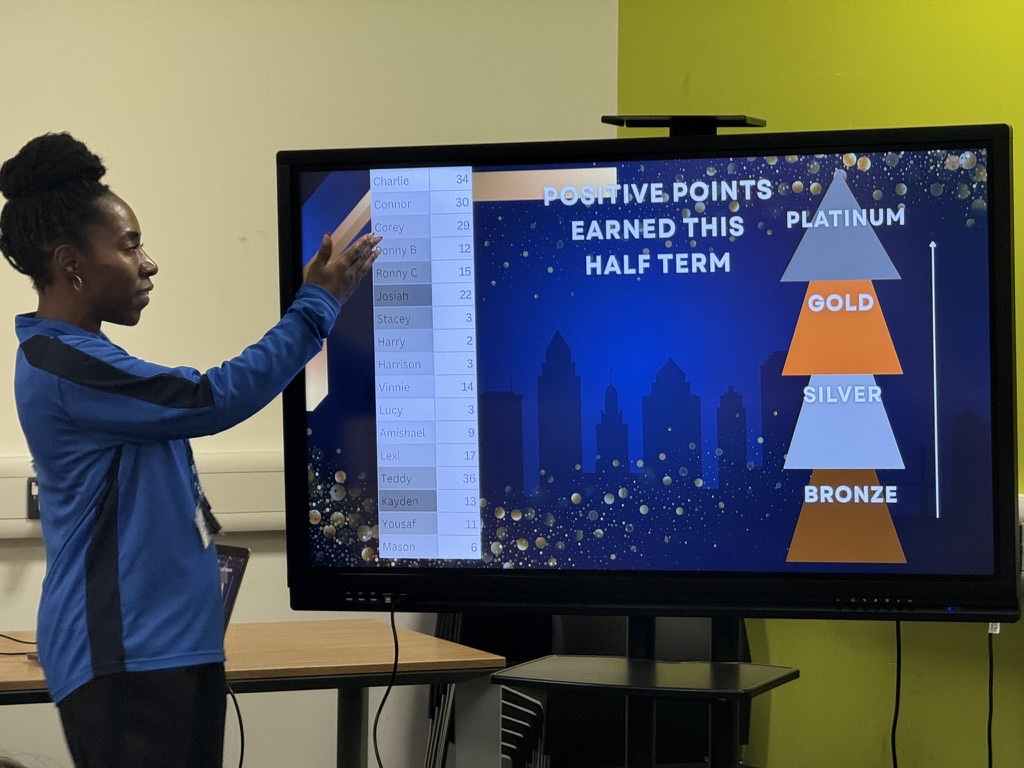
We notice effort, kindness and good choices every day. Points, celebrations and half-term recognition make progress visible.
Recognition sits alongside clear expectations, so young people know what success looks like and why it is celebrated.
Everyday practice
Meet and greet, predictable lessons, transitions and endings. Expectations are simple, taught and reinforced.
Daily praise, recognition points, Student of the Week, half-term and termly awards, celebration events and positive messages home.
After conflict we regulate first, then repair harm, rebuild trust and plan a better return to learning.
A trusted adult who knows the young person well and advocates for them.
Graduated support
Most learning stays in the classroom with calm reminders and adjustments. When more help is needed, support is planned and reviewed, not left to chance.
Adaptive teaching, praise, regulation breaks, visual prompts and reasonable adjustments from the student profile.
Low-level disruption is met with redirection, choices, private conversations and mentor support before any removal.
A short, supervised calm space to reset and reflect, then return to learning quickly. It is support, not isolation as a punishment.
A planned period of smaller groups, personalised teaching and mentoring when a young person needs a more intensive educational intervention.
A clear ladder: 20 minutes for lateness or uniform (no separate family message), 30 minutes if that is missed or low-level disruption continues, and one hour for more serious issues or a missed 30-minute detention. Detentions run Mondays to Wednesdays and Fridays, not Thursdays. Persistent one-hour detentions move onto report, then behaviour contract, then final warning.
Where patterns continue, we use behaviour reviews, daily reports and agreed contracts with home and the commissioning school.
If safety or need cannot be met despite support, leaders review evidence with the commissioning school and local authority where needed.
After school
Detentions run after school on Mondays, Tuesdays, Wednesdays and Fridays. They do not run on Thursdays.
For being late or for uniform issues. Families are not messaged separately for this short detention.
If a 20-minute detention was missed, or for ongoing low-level disruption after classroom support. Home is told.
If a 30-minute detention was missed, or after a more serious incident where detention is the fair response. Home is told and travel is confirmed.
Leaders move onto clearer monitoring: On report, then On behaviour contract, then On final warning, with support at each step.
Safety and belonging
Every young person has the right to feel safe, valued and heard. Bullying means deliberate, repeated behaviour that seeks to harm, intimidate or control. It can be verbal, physical, relational or online.
We distinguish bullying from ordinary peer conflict. Staff challenge it, record it, and support everyone involved. Restorative conversations repair harm where that is safe and appropriate. Serious concerns follow safeguarding procedures.
Parents and carers are partners. Patterns are reviewed by leaders. Young people are encouraged to tell a trusted adult. Full detail is in our published Anti-Bullying Policy.
Behaviour for Learning Framework 2026 to 2027
Graduated stages, Reflection Room, Focused Learning Zone and detention ladder
Rewards and Recognition Framework 2026 to 2027
Daily, weekly, half-term and termly recognition
Therapeutic approach
Relational practice
Attendance
Being present to learn
Anti-bullying policy
Full policy online
Behaviour for Learning Policy
Published policy
Exceptional incidents · from September 2026
In a small number of cases where there is a significant concern for the immediate safety of a student, other learners or staff, Evolution Education may implement a temporary withdrawal from on-site provision pending an emergency placement review.
This is not a formal suspension from education. Formal suspension decisions remain with the commissioning school's Headteacher. During withdrawal, learning continues through Purple Ruler and any additional work set by Evolution Education. This short-term arrangement has been agreed with Local Authority partners for commissioned placements.
An emergency review is arranged at the earliest opportunity with the school, family, Evolution Education and, where appropriate, the Local Authority.
For schools and local authorities
Places are arranged through schools and local authorities. Email admin@evolution-sportsgroup.com.
Partners
Group, charity, local authority and programme partners who help us deliver sport, learning and opportunity.